
Team
The members of the PIROS Executive Committee and Scientific Advisory Board, with their biographies.
Executive Committee
The decision-making and operational body responsible for day-to-day management and implementation of strategic goals.
-
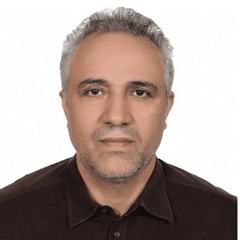
Prof. Dr. Hamidreza Khankeh
Director (Chair)Professor of Emergency and Disaster Health, University of Social Welfare and Rehabilitation Sciences (USWR)
Iran
Biography
Prof. Dr. Hamidreza Khankeh is Professor of Emergency and Disaster Health at the University of Social Welfare and Rehabilitation Sciences (USWR), Tehran, Iran, and a Research Fellow at the QUEST Center for Responsible Research, Berlin Institute of Health at Charité – Universitätsmedizin Berlin, Germany. He is internationally recognized for his contributions to disaster risk management, health system resilience and qualitative research. His current work focuses on Open Science, Responsible Research, research quality and research integrity.
He is a leading advocate and pioneer of Open Science and Responsible Research in Iran and the Founder of PIROS. Prof. Khankeh has authored more than 400 scientific publications and is committed to advancing transparent, rigorous and socially responsible research through international collaboration and capacity building. -
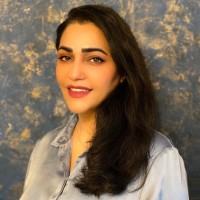
Dr. Juliet Roudini
Deputy DirectorClinical psychologist and researcher; founder of Man-e No
Germany
Biography
Dr. Juliet Roudini is an Iranian clinical psychologist and researcher whose professional work spans three continents. Her expertise focuses on trauma, depression, anxiety, mental health in crises and nervous system regulation. She has conducted interdisciplinary research in Germany, the Netherlands and Malaysia, with particular interests in psychological preparedness, trauma-informed care and mental health in crisis settings. Her doctoral research developed a tool to enhance psychological preparedness for crises, evaluated in Iran and Germany. She also completed postdoctoral research at Charité – Universitätsmedizin Berlin.
Dr. Roudini is the founder of Man-e No (My New Self), Iran's first online mental health school. She is also engaged in Open Science and was one of the initiators of PIROS. -
Prof. Dr. Mehrdad Farrokhi
MemberProfessor of Environmental Health Engineering and Head of the HSE Department, USWR
Iran
Biography
Prof. Dr. Mehrdad Farrokhi is Professor of Environmental Health Engineering at the USWR, Tehran, Iran, where he also serves as Head of the Department of Health, Safety and Environment (HSE). He is Vice President of the Iranian Environmental Health Scientific Association and has made significant contributions to environmental health, public health and health systems research. His academic work spans environmental health engineering, occupational and environmental safety, and qualitative and quantitative research methodologies. He has supervised numerous PhD students and authored many scientific articles and books.
His current academic interests include Open Science, Responsible Research, research quality and research integrity. As a member of PIROS, he contributes to advancing transparent, high-quality and impactful research through education, collaboration and capacity building. -
Dr. Babak Farzinnia
MemberAssistant Professor of Emergency and Disaster Health, USWR
Iran
Biography
Dr. Babak Farzinnia is an Assistant Professor at the University of Social Welfare and Rehabilitation Sciences (USWR), Tehran, Iran, with a PhD in Emergency and Disaster Health. His research focuses on emergency and disaster management, with particular interests in traffic safety, road traffic injuries and emergency response systems. His current work explores traffic-related challenges and the role and performance of emergency telephone services in improving timely access to emergency care. He is also interested in evidence-informed approaches to strengthening emergency and health systems.
As a member of PIROS, he contributes to promoting Open Science, Responsible Research, research quality and evidence-based approaches to emergency and disaster health research. -
Dr. Maryam Ranjbar
MemberIran
-
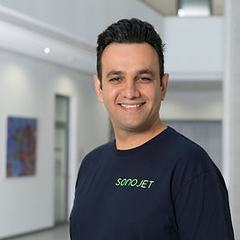
Dr. Mehrzad Roudini
MemberPostdoctoral Scientist, Leibniz Institute for Solid State and Materials Research (IFW Dresden)
Germany
Biography
Dr. Mehrzad Roudini is a researcher and Postdoctoral Scientist at the Leibniz Institute for Solid State and Materials Research (IFW Dresden), Germany. His work combines experimental approaches with innovative engineering solutions to develop efficient and reproducible microscale systems. He is also engaged in Open Science and Responsible Research and, as a member of PIROS, contributes to its vision of advancing transparent, collaborative and high-quality scientific research.
-
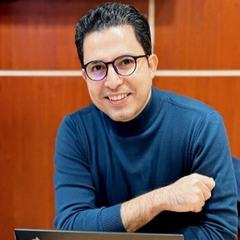
Arvin Barzanji
MemberPhD candidate in Emergency and Disaster Health; Faculty of Paramedical Sciences, MUK
Iran
Biography
Arvin Barzanji is a PhD candidate and researcher in Emergency and Disaster Health, with expertise in hospital resilience and health system strengthening. He is a member of the Health in Emergency and Disaster Research Center at the USWR, Tehran, Iran, and serves at the Faculty of Paramedical Sciences at Kurdistan University of Medical Sciences (MUK). His research focuses on hospital safety, disaster risk reduction, emergency preparedness and resilient health systems. His current academic interests also include Open Science, Responsible Research, research quality and research integrity, with an emphasis on transparent, reproducible and impactful research practices.
As a member of PIROS, he contributes to advancing research capacity, education and international collaboration in responsible and open science. -
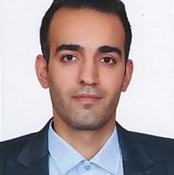
Mobin Ebrahimian
MemberPhD candidate in Health in Emergencies and Disasters, USWR
Iran
Biography
Mobin Ebrahimian is a PhD candidate in Health in Emergencies and Disasters at the USWR, Tehran, Iran. He works at the Tehran Disaster Mitigation and Management Organization (TDMMO), where he is involved in disaster risk management and health, safety and environment (HSE). His research interests include disaster risk management, multi-hazard risk assessment and occupational health and safety. He has contributed to research and technical projects in these areas and to the development of HSE frameworks and policy documents.
He currently serves as Secretary of the Student Scientific Association of Health in Emergencies and Disasters and actively contributes to collaborative scientific and professional initiatives in the field. -
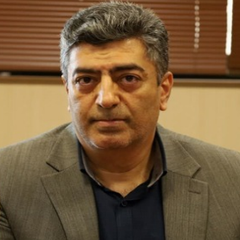
Prof. Dr. Iraj Mohammadfam
MemberIran
-
Prof. Dr. Seyed Ali Hosseini
MemberIran
-
Dr. Mohammad Saeed Khanjani
MemberIran
Scientific Advisory Board
International and national experts from Germany, Poland, Canada, Iran and the WHO, providing strategic oversight and international linkages.
-
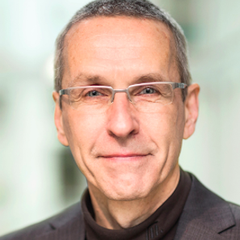
Prof. Dr. Ulrich Dirnagl
Chair and SpokesmanProfessor of Experimental Neurology, Charité; Founding Director of the QUEST Center
Germany
Biography
Prof. Dr. Ulrich Dirnagl is a renowned neuroscientist and a leading advocate of open and reproducible science. He is Professor of Experimental Neurology at Charité – Universitätsmedizin Berlin and the Founding Director of the QUEST Center for Responsible Research. His work focuses on improving the quality, transparency and reproducibility of biomedical research, with particular emphasis on research methodology, scientific integrity and responsible research practices. He has played a prominent role in advancing the principles of Open Science and Responsible Research and is internationally recognized for his contributions to improving the reliability and impact of biomedical research.
-
Prof. Dr. Hamidreza Khankeh
Deputy DirectorProfessor of Emergency and Disaster Health, University of Social Welfare and Rehabilitation Sciences (USWR)
Iran
Biography
Prof. Dr. Hamidreza Khankeh is Professor of Emergency and Disaster Health at the University of Social Welfare and Rehabilitation Sciences (USWR), Tehran, Iran, and a Research Fellow at the QUEST Center for Responsible Research, Berlin Institute of Health at Charité – Universitätsmedizin Berlin, Germany. He is internationally recognized for his contributions to disaster risk management, health system resilience and qualitative research. His current work focuses on Open Science, Responsible Research, research quality and research integrity.
He is a leading advocate and pioneer of Open Science and Responsible Research in Iran and the Founder of PIROS. Prof. Khankeh has authored more than 400 scientific publications and is committed to advancing transparent, rigorous and socially responsible research through international collaboration and capacity building. -
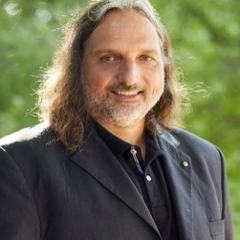
Prof. Dr. Marcus Stueck
MemberProfessor of Psychology; Head of Research, International Biocentric Research Academy, Leipzig
Germany
Biography
Prof. Dr. Marcus Stueck has been a Professor of Psychology since 2013 and is Head of Research at the International Biocentric Research Academy in Leipzig. He is Coordinator of the Biocentric research network "BIONET" and Editor in Chief of the Journal of Biocentric Sciences (BIONET-Journal). He has published numerous peer-reviewed articles and has edited two research topics in Frontiers in Psychology. He currently lectures in Natural Medicine at the University of Saxony-Anhalt, Germany.
-
Prof. Dr. Arash Rashidian
MemberDirector of Science, Information and Dissemination, WHO/EMRO
WHO Regional Office for the Eastern Mediterranean
Biography
Prof. Dr. Arash Rashidian is Director of Science, Information and Dissemination at the World Health Organization Regional Office for the Eastern Mediterranean (WHO/EMRO). A physician and health systems researcher, he is internationally recognized for his work in health policy, health systems strengthening, evidence-informed decision-making, implementation research and universal health coverage. His interests include knowledge translation, health governance, research quality and evidence-informed policymaking. Throughout his career he has helped advance research capacity and the use of scientific evidence in health policy across the Eastern Mediterranean Region. He actively supports initiatives promoting Open Science, Responsible Research and impactful, high-quality health research.
-
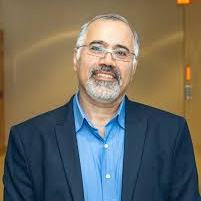
Prof. Dr. Ali Asgary
MemberProfessor of Disaster and Emergency Management, York University; Executive Director of ADERSIM
Canada
Biography
Prof. Dr. Ali Asgary is Professor of Disaster and Emergency Management at York University, Toronto, Canada, and the Executive Director of the Advanced Disaster, Emergency and Rapid-response Simulation (ADERSIM) Laboratory. He is internationally recognized for his contributions to disaster risk reduction, emergency management, business continuity, and disaster simulation and modelling. His research focuses on post-disaster recovery and reconstruction, risk assessment, decision-making under uncertainty and the application of emerging technologies, including AI, VR and simulation tools, in disaster management. An advocate for evidence-informed and impactful research, his current interests also include Open Science, Responsible Research and research quality.
-
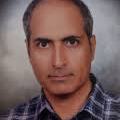
Dr. Hadi Samadi
MemberAssistant Professor and Head of the Department of Philosophy, Azad University, Tehran
Iran
Biography
Dr. Hadi Samadi is a philosopher of science and Assistant Professor of Philosophy, serving as Head of the Department of Philosophy at Azad University, Tehran, Iran. His research spans philosophy of biology, evolutionary theory, philosophy of science and science communication, with a particular interest in the conceptual and ethical foundations of scientific inquiry. Through his scholarship, teaching and public engagement, he has advanced interdisciplinary dialogue between philosophy and the life sciences while promoting critical thinking and evidence-informed approaches to scientific research.
-
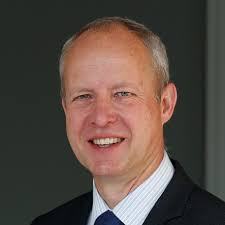
Prof. Dr. Ulrich Sack
MemberProfessor of Clinical Immunology, Leipzig University
Germany
Biography
Prof. Dr. Ulrich Sack is a distinguished physician and Professor of Clinical Immunology at Leipzig University, Germany. His expertise spans clinical and cellular immunology, immune diagnostics, flow cytometry and laboratory quality management. He has extensive experience in translational biomedical research and has contributed to international efforts to advance quality, standardization and best practices in immunological diagnostics and laboratory medicine. His academic work and leadership have supported the development of rigorous, evidence-based approaches to clinical immunology and biomedical research.
-
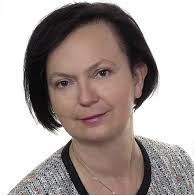
Prof. Dr. Mariola Bidzan
MemberFull Professor of Psychology, University of Gdańsk
Poland
Biography
Prof. Dr. Mariola Bidzan is a Full Professor of Psychology at the University of Gdańsk, Poland, specializing in clinical psychology, health psychology, reproductive psychology and medical neuropsychology. She has served in several academic leadership roles, including Director of the Institute of Psychology and Head of the Division of Clinical Psychology and Neuropsychology, and currently chairs the Discipline of Psychology Council at the University of Gdańsk. A licensed clinical psychologist and experienced researcher, she has authored numerous scientific publications and monographs and has contributed extensively to research in clinical and health psychology, neuropsychology and reproductive health.
-
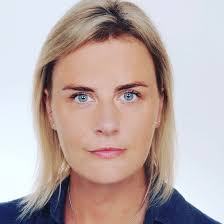
Dr. Agata Rudnik
MemberAssistant Professor, Institute of Psychology, University of Gdańsk
Poland
Biography
Dr. Agata Rudnik is a clinical psychologist, researcher and academic teacher at the University of Gdańsk, Poland. She is an Assistant Professor at the Institute of Psychology and the founder and Head of the Academic Psychological Support Centre at the University of Gdańsk. Her research focuses on health psychology, quality of life in gastrointestinal diseases, mental health, neurodiversity and student well-being. She combines qualitative and mixed-methods research with clinical and academic practice and has extensive experience in international scientific collaboration. She is committed to advancing inclusive, evidence-based approaches to psychological support, mental health and well-being in academic and healthcare settings.
Role of the Scientific Advisory Board
- Offer high-level guidance and recommendations on strategic direction and priorities in research, training and policy.
- Evaluate scientific quality, ethical compliance and impact.
- Review annual reports and provide feedback on performance.
- Enhance the Institute's international visibility and act as its ambassadors in international fora.
- Support the translation of best practices and contribute to national and international guidelines.